
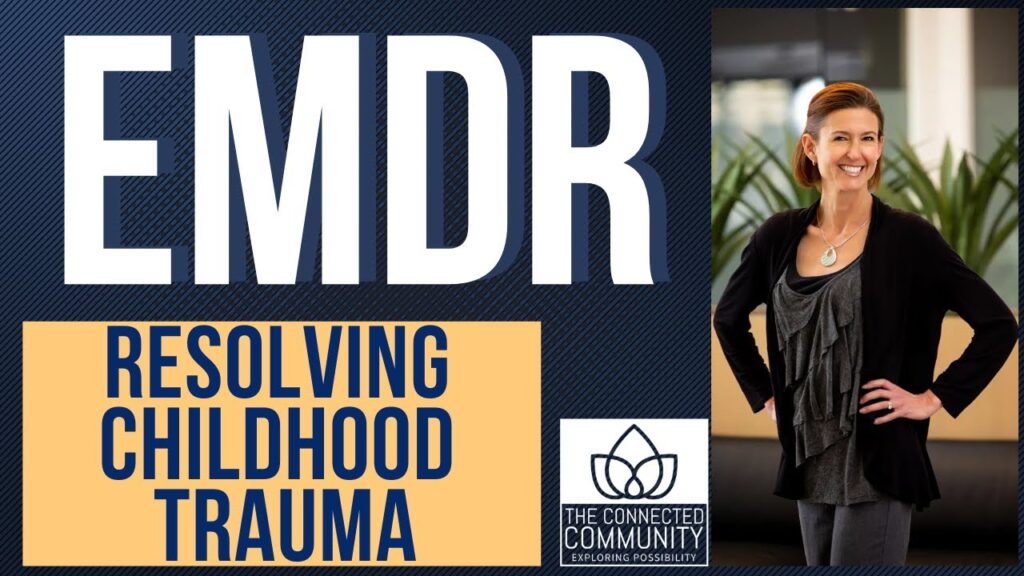
We are excited to share that Greenwood Counseling Center therapist Tiffany Freer, LCSW, was featured on The Connected Community Podcast with host Nicky Yazbeck. In this conversation, Tiffany talks about her work using EMDR therapy with children and teens who have experienced trauma. The episode shines a light on what EMDR looks like with young clients, why early support matters, and how families can feel more hopeful about the path forward. You can watch it here.
What This Episode Covers
Childhood experiences shape the story kids tell themselves. Sometimes it is a single big event. Other times it is a series of small moments that add up over time. A rushed parent saying “not now.” A teacher who did not notice. An ongoing feeling of being overlooked. Kids may begin to believe I am not worth listening to or I am a bad kid.
Tiffany explains how EMDR helps children revisit those memories in a safe, guided way. The goal is not to erase the past but to reprocess it so the nervous system can settle and healthier beliefs can take root. With kids, EMDR is very hands-on. Instead of abstract questions, therapists use sand trays, drawing, tapping, movement, or simple menus of feelings. The work looks different from what adults experience, but the healing process is the same.
Highlights from Tiffany’s Story
-
- Earlier is better: Addressing trauma while children are young prevents painful beliefs from becoming lifelong patterns.
- Building resources first: Kids need positive memories and skills to stay calm before they can process the harder material.
- Making it playful: Creative tools keep children engaged and help them feel safe enough to do the work.
- Using stories to heal: For very young children and adoptees who may not have clear memories, therapeutic storytelling provides a gentle way to process early wounds.
- Focusing on the present: EMDR does not prove whether or not memories are accurate. It works with what the body and mind are holding now.
- Including caregiver: Parents and families are part of the process when appropriate. Their support and understanding are key to long-term change.
Why This Matters for Families
Parents often notice the signs of distress before a child can put words to them. A son who avoids school. A daughter who says I am stupid. A teen who shuts down or lashes out. These behaviors may be rooted in experiences the child cannot explain but continues to carry.
EMDR gives families a path forward. Sessions weave together what the child is feeling today with the strengths and positive experiences they already have. Over time the old story loses its grip. Children begin to see themselves as capable and worthy. Families often notice less anxiety, more resilience, and a greater sense of hope.
Tiffany also emphasizes that therapy with children is not just about the trauma itself. The relationship matters. Sometimes the most healing moments come from building Legos together, laughing during a dance break, or simply having an adult who is consistently safe and attentive. These experiences create positive memory networks that strengthen kids for the challenges ahead.
Meet Tiffany
Tiffany Freer is a Licensed Clinical Social Worker and an EMDRIA Approved Trainer and Consultant. She has nearly a decade of experience using EMDR and specializes in working with children, teens, and families. Her background includes community mental health and work within the foster care system. At Greenwood Counseling Center and the EMDR Center of the Rockies, she provides individual therapy as well as training and consultation for other clinicians. Tiffany is passionate about bringing EMDR to young people because she believes that healing early prevents years of unnecessary struggle.
How to Listen and Learn More
Watch the episode:
We hope you will take time to listen to this inspiring conversation. If the episode brings someone to mind, please share it. And if you are wondering whether EMDR could help your child or family, we invite you to reach out. A short conversation can help you decide the best next step.